

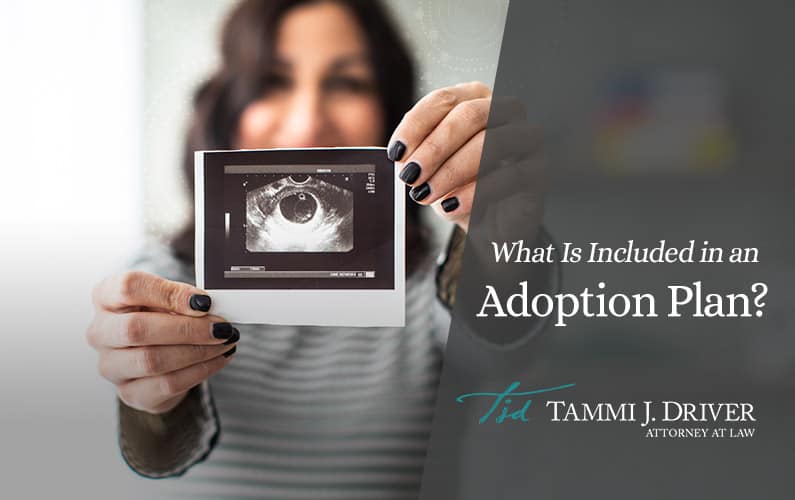
Creating an adoption plan is an important step for birth parents. It allows them to determine how they want their adoption journey to unfold. The adoption plan is not a set of irreversible guidelines. Instead, it is more like a road map, and the directions may change along the way. Here, we look at what type of information you will find in an adoption plan.
Post-Placement Contact
Birth parents decide how much contact, if any, they wish to have with the child and adoptive family after placement. Communication can vary widely from annual pictures and letters to visits. Detailing the degree of contact helps everyone involved understand the expectations for the future. All parties must agree to the terms outlined in this part of the adoption plan, as it will impact everyone’s lives long-term.
Choosing a Family
If a birth mother is not already matched with a family when we begin working with her, then we will assist her in finding a family with the characteristics she identifies as important. These may include race, sexual orientation, religious beliefs, presence of siblings or state of residence, among others. The birth parents decide what characteristics are most important to them so that we can match them to the appropriate family.
Birth and Hospital Stay
The adoption plan covers precise instructions for how the birth mother wants the birth and hospital stay to occur. She determines who will be in the delivery room, when or if she wants to hold the baby, for how long, and when the baby will be handed over to the adoptive family. It is a crucial time for a birth mother, so her wishes should always be respected, even if they change at the moment. For instance, her adoption plan may indicate that she wants the adoptive family present in the delivery room; however, at the last minute, she changes her mind and wants to be alone during the birth. Adoptive families must prepare for plans to shift, as the birth mother has a right to make these changes.
Suggestions for Birth Parents
Take your time to create your adoption plan. It may be challenging to face the questions that need answers, but once it is complete, you can take comfort in knowing your adoption journey is your own. You are in control of your adoption, and your adoption plan is your opportunity to ensure it happens in the way you desire.
Suggestions for Adoptive Families
Understand that the adoption plan is flexible, and things may change. Do not panic when this happens. Just because a birth mother changes part of her adoption plan, it does not mean she has changed her mind about placing her child with your family. Be patient, understanding and respectful of her wishes.
If you are considering adoption in Florida, contact Florida licensed adoption attorney Tammi J. Driver for assistance at 727-800-6681.
Frequently Asked Questions About Adoption Plans in Florida
What is an adoption plan?
An adoption plan is a personalized outline of how a birth parent would like the adoption process to proceed. It can include preferences for choosing an adoptive family, the hospital experience, contact after placement, and other important decisions. An adoption plan can also change as circumstances or preferences change.
What is usually included in an adoption plan?
An adoption plan may include the type of adoptive family a birth parent prefers, how much contact they want after placement, who they want present at the hospital, how they want the delivery and hospital stay handled, and when they would like the adoptive family to meet or care for the baby.
Can a birth mother choose the adoptive family?
Yes. In a private adoption, a birth mother can typically review prospective adoptive families and decide what qualities are important to her. These preferences may include location, family structure, religious beliefs, whether there are other children in the home, lifestyle, and other factors.
Can an adoption plan include an open adoption?
Yes. An adoption plan can describe the level of post-placement contact a birth parent would like to have with the child and adoptive family. This may range from photos and updates to phone calls or in-person visits, depending on what everyone agrees to.
Can I change my adoption plan after I make it?
Yes. An adoption plan is intended to guide the process, but many parts of it can be changed if a birth parent’s wishes or circumstances change. For example, a birth mother may change her preferences about who is present during delivery or how much time she wants with the baby at the hospital.
Who decides what happens at the hospital during an adoption?
The birth mother generally makes decisions about her labor, delivery, and hospital experience. Her adoption plan may address who is allowed in the delivery room, whether she wants the adoptive family present, how much time she wants with the baby, and when the adoptive family will begin spending time with the child.
Does making an adoption plan mean I am legally committed to adoption?
No. Creating an adoption plan does not by itself legally terminate parental rights or make an adoption final. It is a planning tool that helps organize a birth parent’s preferences and expectations during the adoption process.
When should I start making an adoption plan?
A birth parent can begin making an adoption plan at any point during pregnancy. Starting earlier can provide more time to consider preferences, review prospective adoptive families, discuss post-placement contact, and prepare for the hospital experience.
Do adoptive parents have to follow the birth mother’s adoption plan?
Adoptive parents should understand and respect the birth mother’s stated preferences throughout the adoption process. Some portions of an adoption plan, particularly those involving future contact, may require agreement among the parties. Because circumstances can change, flexibility and communication are important.
Can a Florida adoption attorney help create an adoption plan?
Yes. A Florida adoption attorney can explain the legal process, discuss the decisions that may need to be made, and help ensure that the adoption plan works within Florida adoption law. An attorney can also help address questions involving consent, birth father rights, post-placement contact, and finalization.